
Top Benefits of Workplace First Aid Training for Employees
Every workplace, regardless of its size or industry, faces potential health and safety risks. While employers work hard to prevent accidents, emergencies can still happen unexpectedly. A slip in a warehouse, a burn in a kitchen, a fall on a construction site, or even a sudden medical emergency in an office can occur without warning.
This is where workplace first aid training becomes essential. Having employees who know how to respond quickly and effectively can make a significant difference in an emergency situation. First aid training not only helps save lives but also contributes to a safer, more confident, and more productive working environment.
Across the UK, businesses are increasingly investing in first aid training in the workplace to meet legal obligations, improve employee wellbeing, and strengthen their overall safety culture. Whether through a first aid at work course, emergency first aid at work training, or an online first aid course, employees gain valuable skills that can benefit both their workplace and personal lives.
In this guide, we’ll explore the key benefits of workplace first aid training and why every organization should consider making it a priority.

What Is Workplace First Aid Training?
Before exploring the benefits, it’s important to understand what is first aid and why it matters in professional environments.
First aid refers to the immediate care provided to an injured or ill person before professional medical help arrives. The goal is to preserve life, prevent the condition from worsening, and promote recovery.
A typical first aid training course teaches participants how to:
- Assess emergency situations
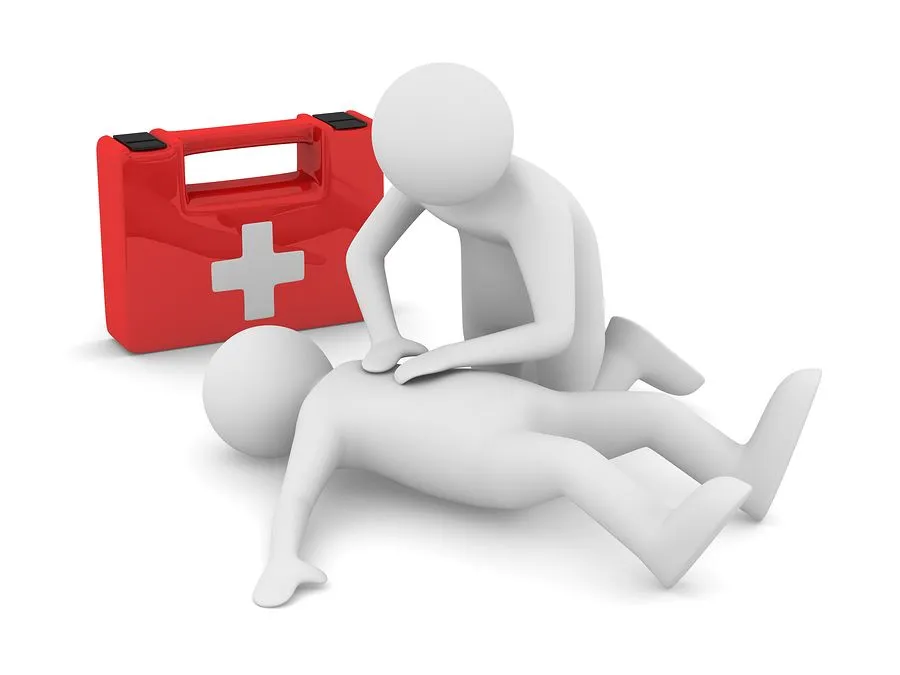
- Provide CPR
- Treat cuts and burns
- Control bleeding
- Manage choking incidents
- Respond to heart attacks and strokes
- Support injured individuals until emergency services arrive
Completing a recognized first aid certificate UK program equips employees with the confidence and practical skills needed during emergencies.
Why Workplace First Aid Training Is Important
Accidents can happen in any workplace, regardless of industry or safety measures. Even environments considered low-risk can experience medical emergencies that require immediate attention.
When employees receive proper first aid training for workplace settings, they become better prepared to respond quickly and appropriately. This can help minimize injuries, reduce recovery times, and potentially save lives.
Beyond emergency response, first aid training contributes to a stronger safety culture where employees are more aware of hazards and proactive about preventing accidents.
1. Faster Emergency Response
One of the biggest advantages of workplace first aid training is the ability to provide immediate assistance when an accident occurs.
The first few minutes following an injury or medical emergency are often critical. A trained employee can quickly assess the situation, provide appropriate care, and contact emergency services when necessary.
Without trained staff, valuable time may be lost waiting for professional medical help to arrive.
For example, if a colleague experiences cardiac arrest, immediate CPR can significantly improve survival chances before paramedics reach the scene.
2. Increased Employee Confidence
Many people panic during emergencies because they are unsure how to help.
A structured first aid course gives employees practical knowledge and hands-on experience, allowing them to act confidently in stressful situations.
Employees who complete a first aid at work course often feel more prepared to handle emergencies both at work and in their personal lives.
This confidence can have a positive impact throughout the organization by reducing fear and encouraging calm decision-making during incidents.
3. Reduced Workplace Injuries
Proper first aid doesn’t just help in serious emergencies. It can also reduce the severity of everyday workplace injuries.
Trained employees learn how to:
Treat Minor Injuries Correctly
Small cuts, burns, and sprains may seem insignificant but can become more serious if treated incorrectly.
A qualified first aider understands how to provide immediate care and prevent complications.
Prevent Further Harm
One of the key objectives of first aid is preventing an injury from becoming worse.
For example, properly supporting a suspected fracture can reduce pain and minimize additional damage until medical assistance arrives.
4. Creates a Stronger Safety Culture
Businesses that invest in first aid training workplace programmes demonstrate a commitment to employee wellbeing.
This often leads to:
- Greater awareness of workplace hazards
- Increased reporting of safety concerns
- Better adherence to safety procedures
- Improved employee engagement
When employees understand the importance of health and safety, they are more likely to contribute positively to workplace risk management.
5. Helps Meet UK Health and Safety Requirements
Employers in the UK have legal responsibilities regarding first aid provision under health and safety legislation.
Depending on the nature of the business, employers may need:
- Trained first aiders
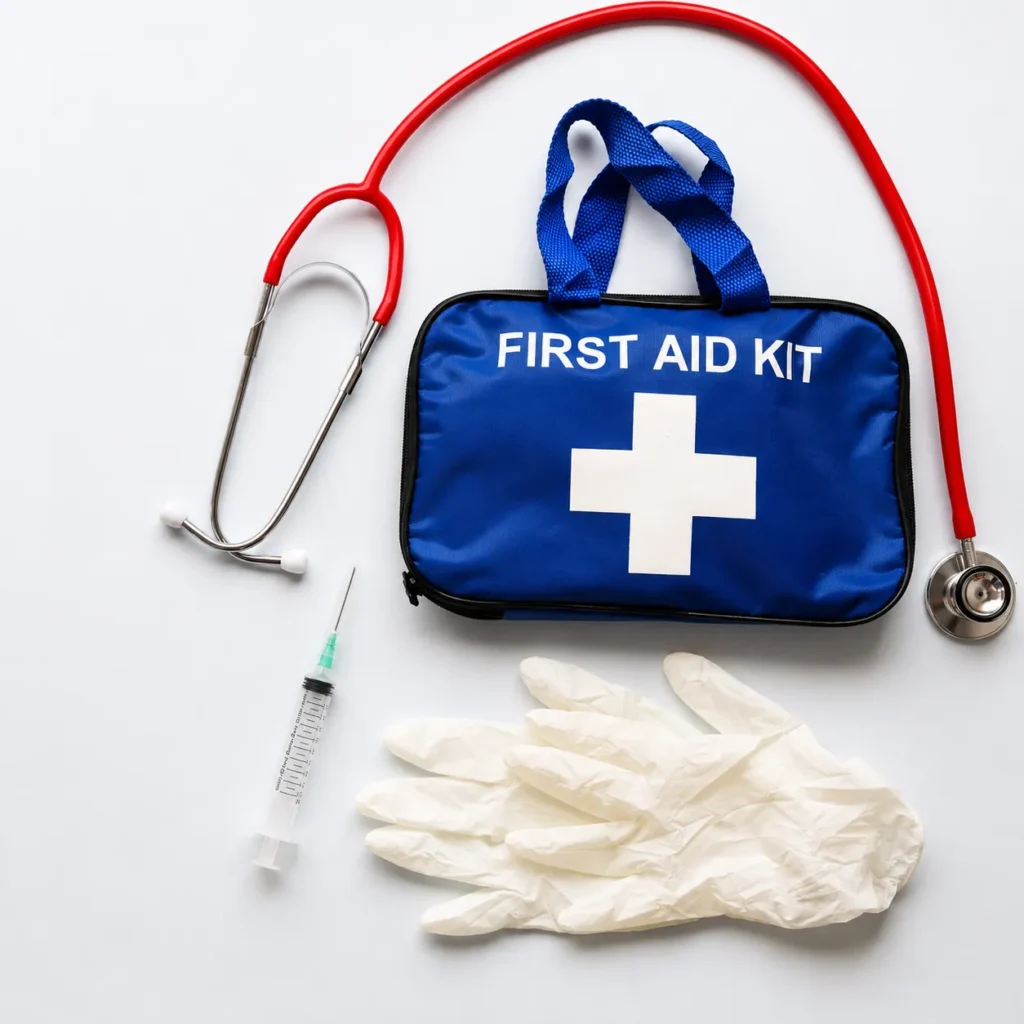
- First aid equipment
- Emergency procedures
- Suitable first aid arrangements
Completing emergency first aid at work training helps organizations meet these requirements while ensuring employees receive appropriate support during emergencies.
6. Improves Employee Morale
Employees feel more secure when they know trained first aiders are available.
Knowing that colleagues can provide assistance during an emergency creates reassurance and trust within the workplace.
Organizations that priorities employee safety often experience:
- Higher job satisfaction
- Better staff retention
- Increased morale
- Stronger team relationships
People are more likely to feel valued when their wellbeing is treated as a priority.
7. Supports Business Continuity
Workplace accidents can disrupt operations, cause delays, and result in lost productivity.
Having trained first aiders available can help minimize the impact of incidents by ensuring prompt action is taken.
Quick responses often lead to:
- Reduced injury severity
- Faster recovery times
- Lower absenteeism
- Less operational disruption
For businesses, this can translate into significant long-term benefits.
8. Develops Valuable Life Skills
The benefits of first aid training courses extend far beyond the workplace.
Employees often use their training to help:
- Family members
- Friends
- Children
- Sports teams
- Community groups
Skills learned during a first aid certification program can be useful in everyday situations where immediate assistance is required.
Types of First Aid Training Available in the UK
There are several training options available depending on workplace needs.
Emergency First Aid at Work
This one-day course is ideal for low-risk workplaces and provides basic life-saving skills.
First Aid at Work Course
A more comprehensive program designed for individuals responsible for workplace first aid arrangements.
Pediatric First Aid Course
Suitable for those working with infants and children, including childcare professionals and educators.
Online First Aid Courses
Many providers now offer online first aid courses and first aid training online options that allow learners to study at their own pace.
These courses provide flexibility while covering essential first aid principles.
Level 3 First Aid Qualifications
A Level 3 First Aid at Work qualification is one of the most recognized first aid certifications in the UK and is widely accepted across industries.
How to Choose the Right First Aid Course
When selecting a first aid qualification course, consider:
Workplace Risks
Different industries face different hazards. Construction sites, warehouses, and manufacturing facilities may require more advanced training than office environments.
Legal Requirements
Employers should ensure the chosen course meets relevant UK regulations.
Delivery Method
Options include:
- Classroom-based learning
- Blended learning
- Online first aid course programs
Choose the format that best suits employee schedules and organizational requirements.
Accreditation
Always select recognized providers offering accredited first aid certificates and qualifications.
Conclusion
Investing in workplace first aid training is one of the most effective ways to improve employee safety, confidence, and wellbeing. Whether responding to a minor injury or a life-threatening emergency, trained employees can make a critical difference during those important first few moments.
From improving emergency response times and reducing workplace injuries to supporting compliance and building a stronger safety culture, the benefits are clear. Businesses that prioritize first aid training in the workplace not only create safer environments but also demonstrate genuine care for their employees.
Whether you choose an emergency first aid at work course, a first aid at work course, a pediatric first aid course, or an online first aid course, investing in first aid skills is an investment in people, safety, and long-term organizational success.
Frequently Asked Questions (FAQs)
What is workplace first aid training?
Workplace first aid training teaches employees how to respond to medical emergencies and injuries until professional medical assistance arrives.
Who needs first aid training in the workplace?
Any employee can benefit from first aid training, but organizations should ensure designated first aiders receive appropriate certification based on workplace risks.
How long does a first aid certificate last in the UK?
Most first aid certificates are valid for three years before refresher training is recommended.
Can I complete a first aid course online?
Yes. Many providers offer online first aid courses and first aid training online programmed, although some qualifications may require practical assessments.
What is the difference between Emergency First Aid at Work and First Aid at Work?
Emergency First Aid at Work is a one-day introductory course, while First Aid at Work is a more comprehensive qualification covering a wider range of emergency situations.
Is first aid training a legal requirement in the UK?
UK employers are legally required to provide adequate first aid arrangements based on their workplace risk assessment.
What qualification is best for workplace first aid?
A Level 3 First Aid at Work qualification is one of the most recognized and widely accepted workplace first aid certifications in the UK.