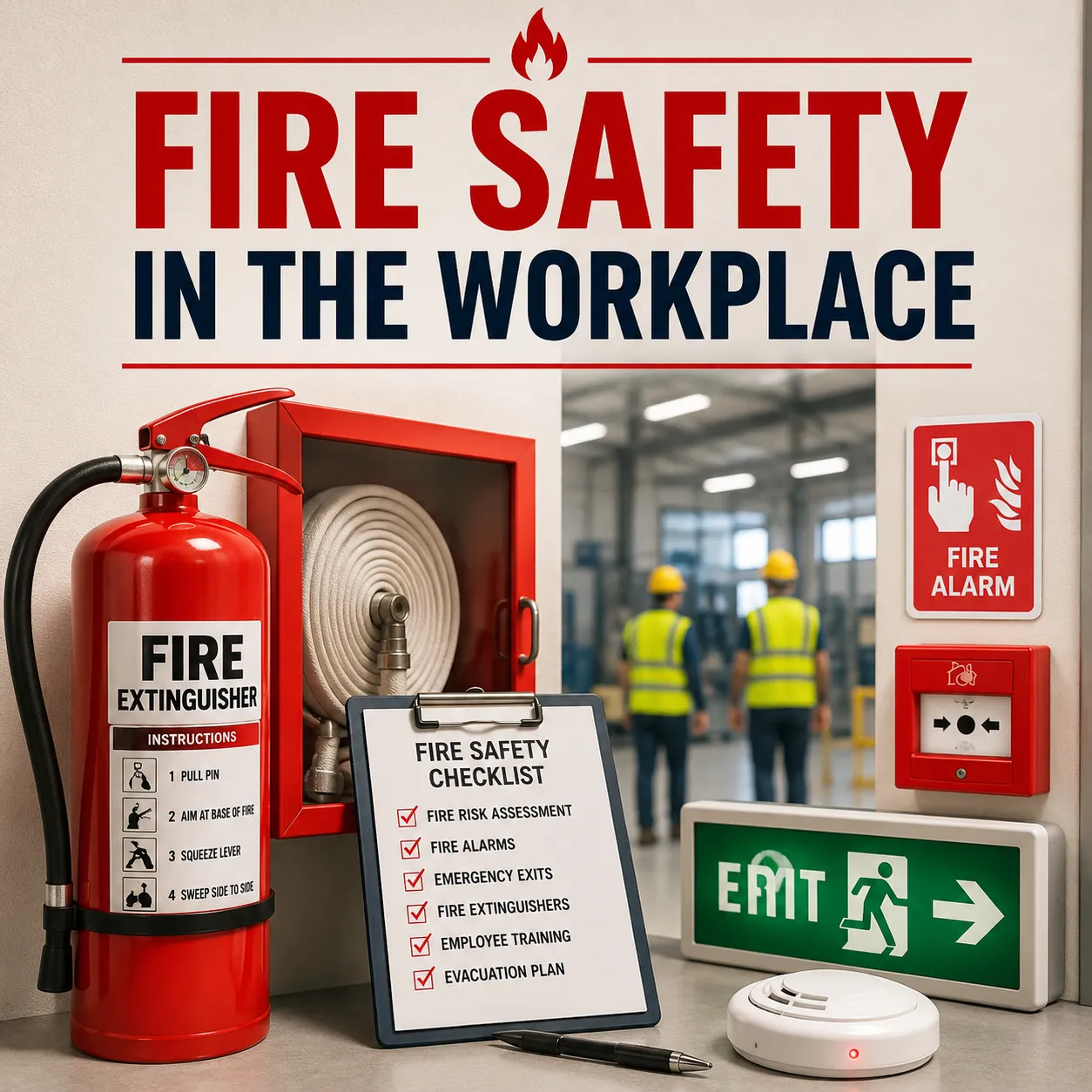
Fire Safety in the Workplace: UK Legal Requirements Explained
A fire may happen in your workplace at any time and in any business or industry, no matter how small or large. A small office, retail store, warehouse or manufacturing plant can be impacted by a fire, with devastating consequences. Fires not only destroy property; they can also result in serious injury, business interruptions, legal consequences, and even loss of life. That is why workplace fire safety is one of the most important things that the employer or business owner in the UK has got to do.
Most people believe a couple of fire extinguishers are sufficient to comply with the regulations. Actually, fire safety in the workplace is much more than equipment installation. Employers are responsible for identifying potential fire risks, conducting a fire risk assessment of the workplace, training staff and making sure that the emergency procedures are effective and reviewed regularly.
Under UK fire safety law there is a clear responsibility on employers and responsible persons to ensure that people are protected from fire risks. Failure to meet these legal requirements may lead to enforcement action, significant fines and damage to reputation. More significantly, employees, visitors and customers are unnecessarily exposed to risk from poor fire safety management.
This guide is designed to provide an explanation of the main legal obligations in regard to fire safety in the workplace in the UK, the need for fire risk assessment and how businesses can ensure they are compliant with fire safety legislation.
Understanding Workplace Fire Safety
Workplace fire safety is the name given to the measures, policies and procedures in place to prevent a fire occurring and to protect people should one occur. Fire safety is a balance of prevention, preparedness and emergency response.
The emphasis of a good fire safety strategy is on minimising the risk of fire and informing employees on what to do in an emergency. This involves keeping fire protection systems in working order, ensuring there is an adequate means of escape, running regular fire drills, and keeping fire equipment in good working order.
Businesses that take fire safety precautions may see benefits even beyond the legal requirements. Employees have a feeling of security, operational disruptions are minimized and organizations are showing their dedication to the safety of their employees and assets.
UK Fire Safety Legislation
The primary legislation governing fire safety in England and Wales is the Regulatory Reform (Fire Safety) Order 2005. Similar regulations apply in Scotland and Northern Ireland.
Under these regulations, the responsibility for fire safety rests with the “responsible person.” This individual must take reasonable steps to reduce fire risks and ensure that people can safely evacuate the premises if a fire occurs.
The responsible person may be:
- An employer
- A business owner
- A landlord
- A facilities manager
- A person with control over the premises
The law requires businesses to assess fire risks, implement suitable safety measures, and regularly review their fire safety arrangements.
Why Fire Safety in the Workplace Matters
Every year, workplace fires cause significant damage to businesses across the UK. Even a small fire can result in expensive repairs, operational downtime, lost revenue, and disruption to customer services.
More importantly, workplace fires can place lives at risk. Employees may suffer burns, smoke inhalation, or other serious injuries. In some cases, inadequate fire safety procedures have led to tragic fatalities.
Investing in fire safety for workplace environments helps organizations:
- Protect employees and visitors
- Meet legal obligations
- Reduce financial losses
- Prevent business interruptions
- Improve workplace confidence
- Strengthen organizational reputation
Fire safety should not be viewed simply as a compliance requirement. It is an essential part of responsible business management.
What Is a Fire Risk Assessment?
A fire risk assessment is a structured process used to identify fire hazards, evaluate risks, and determine appropriate control measures.
The purpose of a fire risk assessment is to understand how a fire could start, who could be affected, and what steps can be taken to reduce those risks.
A workplace fire risk assessment typically involves five key stages:
1. Identify Fire Hazards
Potential hazards may include:
- Electrical equipment
- Flammable liquids
- Heating systems
- Cooking facilities
- Smoking materials
- Combustible waste
Identifying these hazards is the first step toward effective fire risk management.
2. Identify People at Risk
Businesses must consider everyone who may be affected by a fire, including:
- Employees
- Contractors
- Visitors
- Customers
- Disabled persons
- Temporary workers
Understanding who is at risk helps organizations develop suitable evacuation procedures.
3. Evaluate Risks
Once hazards have been identified, businesses must assess the likelihood of a fire occurring and the potential consequences.
This process helps prioritize areas requiring immediate attention.
4. Implement Control Measures
Suitable controls may include:
- Fire alarms
- Fire extinguishers
- Emergency lighting
- Fire doors
- Staff training
- Housekeeping procedures
The goal is to minimize fire risks and improve emergency preparedness.
5. Review and Update
Fire safety assessments should never be considered a one-time exercise. Businesses should regularly review their fire safety risk assessment and update it whenever significant changes occur.
Who Is Responsible for Making a Fire Risk Assessment?
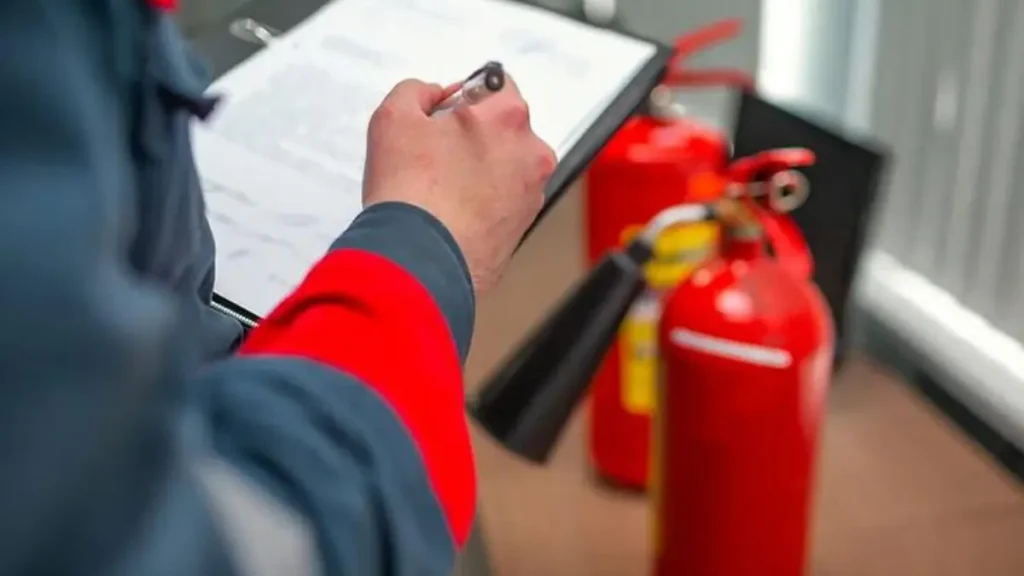
One of the most common questions businesses ask is: who is responsible for making a fire risk assessment?
The answer is straightforward. The responsible person has the legal duty to ensure that a fire risk assessment is completed and maintained.
Although many organizations hire fire safety consultants to assist with assessments, legal responsibility remains with the responsible person. They must ensure that assessments are suitable, accurate, and regularly reviewed.
For larger or more complex premises, specialist fire risk assessment training or professional support may be beneficial.
How Often Should a Fire Risk Assessment Be Carried Out?
There is no specific legal requirement stating exactly how often a fire risk assessment should be carried out. However, assessments must be reviewed regularly and whenever significant changes occur.
Examples include:
- Building renovations
- Changes in workplace layout
- Introduction of new equipment
- Increased workforce numbers
- Changes in working practices
- Following a fire incident or near miss
As a general best practice, many organizations review their fire risk assessments annually to ensure ongoing compliance.
Fire Safety Equipment Every Workplace Should Have
Effective fire and fire safety management depends on having suitable equipment available and properly maintained.
Common fire equipment safety requirements include:
Fire Extinguishers
Different fire extinguishers are designed for different types of fires. Staff should understand which extinguisher is appropriate for each situation.
Fire Alarm Systems
A reliable alarm system ensures occupants receive early warning and can evacuate quickly.
Emergency Lighting
Emergency lighting helps people safely leave the building during power failures or low-visibility conditions.
Fire Doors
Fire doors slow the spread of fire and smoke, providing additional time for evacuation.
Fire Signage
Clear signs help employees identify emergency exits, assembly points, and fire safety equipment.
Regular inspection and maintenance are essential to ensure all fire protection systems remain effective.
Fire Safety Compliance: What Businesses Need to Know
Fire safety compliance means meeting all legal responsibilities relating to fire prevention, emergency planning, and employee protection. Compliance is not simply about avoiding penalties. It is about creating a safe environment where employees, visitors, and customers can work and interact without unnecessary risk.
Many organizations focus on compliance only when inspections are due. However, effective fire safety in workplace environments requires continuous attention throughout the year. Fire hazards can develop gradually through changes in equipment, workplace layouts, storage practices, or staffing levels.
To maintain fire safety compliance, businesses should:
- Conduct regular fire risk assessments
- Maintain fire alarms and detection systems
- Inspect fire extinguishers routinely
- Keep emergency exits clear
- Train employees regularly
- Review evacuation procedures
- Record fire safety activities and inspections
- Investigate fire-related incidents and near misses
A proactive approach helps businesses identify issues before they become serious problems.
Organizations seeking long-term compliance often support their teams with recognized health and safety qualifications and professional safety training.
The Importance of a Fire Safety Policy
A fire safety policy provides a clear framework for managing fire risks within an organization. It outlines responsibilities, procedures, and expectations so that everyone understands their role in maintaining safety.
An effective fire safety policy should include:
Fire Prevention Measures
The policy should explain how fire hazards are identified and controlled. This may include housekeeping standards, equipment maintenance, and safe storage of flammable materials.
Roles and Responsibilities
Employees need to know who is responsible for fire safety management, emergency coordination, and evacuation procedures.
Emergency Procedures
The policy should clearly explain what employees should do if they discover a fire or hear the alarm.
Training Requirements
Staff training requirements should be outlined to ensure everyone receives appropriate instruction.
Review Procedures
The policy should specify how often fire safety arrangements will be reviewed and updated.
A well-written fire safety policy helps create consistency across the organization and supports legal compliance.
Fire Safety Certificates: Do Businesses Need One?
Many employers still ask whether they need a fire safety certificate or fire certificate to operate legally.
Under previous legislation, some premises required formal fire certificates. However, the current fire safety framework places greater emphasis on risk assessments and ongoing fire safety management.
Most UK businesses no longer require a traditional fire safety certificate. Instead, they must demonstrate compliance through:
- Completed fire risk assessments
- Maintenance records
- Staff training documentation
- Emergency planning procedures
- Inspection reports
Although a fire certificate may not be required, businesses must still provide evidence that suitable fire safety measures are in place.
Employee Fire Safety Training
Even the best fire safety equipment can be ineffective if employees do not know how to respond during an emergency.
Training is one of the most important aspects of workplace fire safety because people play a critical role in both prevention and emergency response.
Employees should receive training when:
- They start a new job
- Their responsibilities change
- New fire risks are introduced
- Emergency procedures are updated
- Refresher training becomes necessary
Topics Covered During Training
A comprehensive fire safety training program should include:
Fire Prevention
Employees should understand common workplace fire hazards and how to reduce risks.
Emergency Procedures
Staff should know exactly what to do if they discover a fire or hear an alarm.
Evacuation Routes
Employees must be familiar with emergency exits and assembly points.
Fire Equipment Awareness
Workers should understand the purpose of available fire safety equipment.
Reporting Hazards
Employees should know how to report damaged equipment, blocked exits, or other fire safety concerns.
Regular training reinforces good habits and helps ensure a faster, safer response during emergencies.
Fire Risk Assessment Training
For individuals responsible for conducting workplace risk assessments, fire risk assessment training can be extremely valuable.
Training programs help participants understand:
- Fire legislation requirements
- Hazard identification techniques
- Risk evaluation methods
- Documentation procedures
- Control measure implementation
- Review and monitoring processes
Fire risk assessment courses are particularly useful for managers, supervisors, health and safety personnel, and facilities teams.
By developing internal expertise, businesses can improve fire risk management and strengthen compliance efforts.
Fire Risk Management Best Practices
Fire risk management involves more than completing a fire safety assessment once a year. It requires continuous monitoring and improvement.
The most successful organizations treat fire safety as part of their overall health and safety strategy.
Maintain Good Housekeeping
Poor housekeeping remains one of the leading contributors to workplace fires.
Businesses should:
- Remove combustible waste regularly
- Store materials safely
- Keep work areas clean
- Prevent clutter from accumulating
Inspect Electrical Equipment
Electrical faults are a common cause of workplace fires.
Regular inspections should identify:
- Damaged cables
- Overloaded sockets
- Faulty equipment
- Improper electrical installations
Control Ignition Sources
Potential ignition sources should be managed carefully.
Examples include:
- Portable heaters
- Welding equipment
- Smoking materials
- Cooking appliances
Protect Escape Routes
Emergency exits must remain accessible at all times.
Blocked exits can significantly increase risks during an evacuation.
Conduct Fire Drills
Regular drills help employees become familiar with evacuation procedures and identify weaknesses in emergency planning.
Quick Workplace Checklist Fire Safety
Businesses can use the following quick workplace checklist fire safety guide to support compliance efforts.
Daily Checks
- Emergency exits are clear
- Fire doors are functioning properly
- Walkways remain unobstructed
- Hazardous materials are stored safely
Weekly Checks
- Fire alarm tests completed
- Emergency lighting inspected
- Fire extinguishers visually checked
- Escape route signage reviewed
Monthly Checks
- Fire safety records updated
- Staff concerns addressed
- Workplace inspections completed
- Fire hazards reviewed
Annual Checks
- Comprehensive fire risk assessment review
- Professional servicing of fire systems
- Fire safety policy review
- Employee refresher training
Using a structured checklist can help organizations maintain consistent standards throughout the year.
Common Workplace Fire Hazards
Recognizing common hazards is a key part of fire and risk assessment activities.
Electrical Hazards
Faulty wiring, damaged equipment, and overloaded circuits can all increase fire risks.
Flammable Materials
Paper, cardboard, chemicals, fuels, and cleaning products can contribute to fire spread.
Human Error
Unsafe behavior, poor housekeeping, and inadequate training often contribute to workplace fires.
Heating Equipment
Portable heaters and poorly maintained heating systems require careful monitoring.
Cooking Areas
Staff kitchens and food preparation areas should be included within workplace risk assessments.
Understanding these hazards allows businesses to implement more effective preventive measures.
The Relationship Between Fire Safety and Health & Safety Risk Assessments
Fire safety forms an important part of broader health and safety management.
While health and safety risk assessments cover a wide range of workplace hazards, fire risk assessments focus specifically on fire-related threats.
Both processes share similar objectives:
- Identifying hazards
- Evaluating risks
- Implementing controls
- Monitoring effectiveness
- Protecting people
Organizations that integrate fire safety into their wider health and safety programs often achieve stronger overall risk management outcomes.
Keeping Fire Safety Records
Documentation is an important element of compliance.
Businesses should maintain records relating to:
- Fire risk assessments
- Fire alarm testing
- Equipment inspections
- Maintenance activities
- Employee training
- Fire drills
- Incident investigations
Accurate records demonstrate due diligence and provide evidence of compliance during inspections or investigations.
Creating a Positive Fire Safety Culture
Fire safety should not be viewed solely as a management responsibility. A strong safety culture encourages everyone to contribute.
Organizations can strengthen fire safety culture by:
- Encouraging hazard reporting
- Providing regular training
- Communicating safety updates
- Recognizing safe behavior
- Reviewing incidents openly
When employees actively participate in fire safety efforts, risks are more likely to be identified and addressed quickly.
Conclusion
Workplace fire safety is a fundamental responsibility for every UK business. Effective fire safety management protects employees, visitors, property, and business operations while helping organizations meet legal requirements.
A thorough workplace fire risk assessment provides the foundation for identifying hazards and implementing suitable control measures. Combined with employee training, regular inspections, emergency planning, and ongoing review, these measures help businesses maintain strong fire safety compliance.
Rather than treating fire safety as a one-time task, organizations should view it as an ongoing process of improvement. By investing in fire risk management, maintaining appropriate documentation, and fostering a positive safety culture, businesses can significantly reduce fire-related risks and create safer workplaces for everyone.
Maintaining workplace fire safety requires the right knowledge, training, and compliance support. Businesses looking to improve their safety standards can benefit from professional Health and Safety Certification UK programs that help employees and managers develop essential workplace safety skills.
Frequently Asked Questions
Q1. What is workplace fire safety?
Workplace fire safety refers to the policies, procedures, equipment, and training used to prevent fires and protect people during emergencies.
Q2. Is a fire risk assessment a legal requirement in the UK?
Yes. Most UK businesses are legally required to carry out a fire risk assessment and maintain appropriate fire safety measures.
Q3.What is the main purpose of workplace fire safety?
The main purpose is to prevent fires, protect people, minimize property damage, and ensure safe evacuation during emergencies.
Q4. Who is responsible for making a fire risk assessment?
The responsible person, such as an employer, business owner, or landlord, is legally responsible for ensuring a fire risk assessment is completed.
Q5. What should a fire safety policy include?
A fire safety policy should include fire prevention measures, emergency procedures, staff responsibilities, evacuation plans, and maintenance requirements.
Q6. Do employees need fire safety training?
Yes. Employers must provide suitable fire safety training so employees understand emergency procedures and fire prevention measures.
Q7. What are the consequences of non-compliance with fire safety regulations?
Businesses may face fines, enforcement notices, prosecution, business disruption, and increased risk to employee safety.
Q8. What is included in a workplace fire risk assessment?
It includes identifying fire hazards, evaluating risks, implementing control measures, and reviewing fire safety arrangements regularly.